- 26th Nov, 2025
- Gastroenterologist
Gluten Intolerance: This New Epidemic Or Myth
Do you feel bloated or experience heaviness after eating regular wheat rotis? This is the case with many individuals, without them even being aware of gluten intolerance, a condition that has been making headlines.
Gluten intolerance has emerged as the new dietary epidemic, with brands promoting gluten-free products. From bread and noodles to pasta, supermarkets now have an entire range of gluten-free alternatives. Even celebrities and influencers are urging people to avoid gluten as part of their diet.
Amidst so much awareness about the condition, the one question that needs to be addressed is, “Is gluten really that harmful, or is it just a myth driven by trends?
Read on as a leading gastrology doctor in Kolkata, Dr. Indraneel Saha, answers the question.
What Is Gluten?
Gluten is a naturally occurring protein found in wheat and other grains like barley and rye. It acts as a binder and is responsible for the chewiness as well as the elasticity in bread and other baked products.
Gluten is generally well-tolerated by individuals; however, some experience troublesome digestive issues, such as the following:
- Bloating
- Gas or heaviness
- Constipation or diarrhoea
- Abdominal pain
- Headache
- Dizziness
- Skin rashes
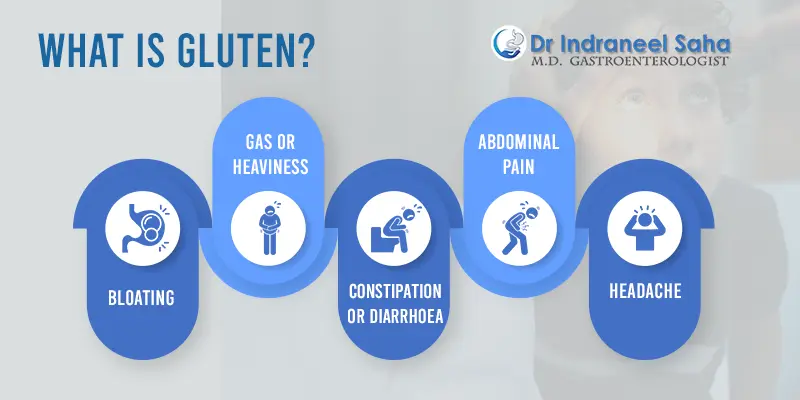
Remember that these symptoms are non-specific. They can indicate other conditions as well, like lactose intolerance, irritable bowel syndrome or food allergy. Hence, always consult a gastrology doctor in Kolkata.
What Are Some Gluten-Related Disorders?
Gluten-related disorders involve a reaction to gluten. These disorders vary in their mechanism and severity. Here are the most common ones.
Celiac disease: It is an inherited autoimmune reaction when the body’s own immune system damages the inner lining of the small intestine. For individuals with celiac disease, eating gluten triggers the immune response that mistakenly targets the intestinal villi—the tiny, finger-like projections responsible for nutrient absorption, leading to a range of symptoms, including nausea, vomiting, bloating, swollen belly and gas.
Non-celiac disease: It is similar to celiac disease, leading to the same symptoms after eating gluten. The only difference is that the body does not cause an allergic or autoimmune reaction. It is seen that individuals with non-celiac gluten disease often improve after adopting a gluten-free diet.
Wheat allergy: It is a condition where the immune system overreacts to wheat. Individuals with such conditions often suffer from mild to life-threatening conditions like respiratory problems, digestive issues and hives. The main treatment includes avoiding all sources of wheat and using prescribed medications like antihistamines.
If anyone suspects that they may have a gluten-related disorder or experiences uncomfortable symptoms after eating gluten, it is best to consult a gastrology doctor in Kolkata like Dr. Indraneel Saha, and avoid gluten until a proper diagnosis is made.
The Rise Of The Gluten-Free Diet
The gluten-free market has grown into a million-dollar industry with millions of people adopting the dietary approach. Although the gluten-free diet is extremely important for people with celiac disease or nonceliac gluten sensitivity. However, there are many people without any diagnosed gluten issues still trying to avoid gluten in the management of other medical issues.
There is no such evidence that a gluten-free diet will help improve digestive health or prevent such issues. According to Dr. Indraneel Saha, a leading gastrology doctor in Kolkata, the trend behind the gluten-free movement is driven by the following factors.
- Endorsements: Many celebrities and influencers have touted going gluten-free as the only way to lose weight, increase energy, and get clear skin. While the claims proved to be true with health-conscious consumers, medical evidence is not yet established.
- Marketing: In recent times, the food industry has tapped into the benefits of gluten-free living. Several advertisements often present gluten-free products as a healthier version without considering their nutritional value. This strategy has persuaded consumers to follow the trend.
- Psychological: The intuition or the placebo effect also plays a major role in the perceived notion of going gluten-free. They believe that eliminating gluten has a lot of benefits and even makes them feel healthier, even in the absence of a medical diagnosis.
- Misinformation: Fear among individuals is also one of the reasons that fueled the gluten-free craze. Blog, testimonials and experts have often portrayed gluten as a harmful substance that leads to bloating, weight and digestive problems.
What Is The Truth?
The idea that gluten-free diets are more nutritious is a myth. In fact, it is safe for most people. As stated, only individuals with specific conditions like celiac disease, non-celiac disorder or wheat disorder need to avoid gluten, as it can cause autoimmune reactions.
In reality, gluten-free products often lack fibre, vitamins and minerals which whole grains have. Moreover, many of these products are packed with a lot of sugar, salt and unhealthy fats, which are known to cause several health problems.
In other words, gluten is not proven to be harmful until an individual is gluten sensitive. Thus, it is always advised to book an appointment with a gastrology doctor in Kolkata.
Conclusion
Gluten-free consumption has expanded from a medical necessity to a lifestyle choice. This highlights how anxieties and false misinformation regarding diet and health can transform a concern into a trend. For some individuals, gluten intolerance is true, whereas for others, it is actually a myth.
Hence, for an accurate diagnosis, make sure to book an appointment with a gastrology doctor in Kolkata, like Dr. Indraneel Saha, who will evaluate the symptoms, recommend necessary tests and give guidance on whether you are required to change your diet or follow a medication plan.