- 24th Apr, 2026
- Abdominal Doctor
Hidden Causes of Chronic Abdominal Pain That Are Often Overlooked
Abdominal pain is one of the reasons behind frequent visits to a gastroenterologist. Common causes like acidity, infections and indigestion are often identified quickly and get resolved with prescription or over-the-counter medicines.
However, when the discomfort becomes chronic, i.e lasting for more than weeks or months, the ache starts to interfere with daily life. For many patients, the ongoing pain becomes frustrating not only due to the physical discomfort but also because of the failure to detect the root cause by standard tests.
In such situations, consulting an abdominal pain specialist like Dr. Indraneel Saha becomes crucial, who looks beyond the obvious symptoms and investigates the less common causes.
In this blog, we have listed some of the undiagnosed conditions related to abdominal pain that often go unnoticed by general practitioners.
How Do You Know That Your Stomach Ache Is Chronic?
Here are the key signs that your abdominal pain is not a normal ache but a pattern of discomfort that persists and needs treatment.
- Duration: The pain lasts for weeks and keeps returning over months.
- Severity: It can either be mild or serious, often described as a sharp or dull ache in the abdomen.
- Pattern: Even if the pain goes away, frequent episodes—like every few days or weeks can indicate an ongoing issue.
- Associated symptoms: Chronic abdominal pain is often accompanied by symptoms like nausea, vomitting, diarrhoea, constipation and unintentional weight loss.
- No relief from conventional methods: If home remedies, over-the-counter medications, dietary changes and rest fail to provide relief, the pain is linked to an underlying disorder in the stomach.
Silent Triggers Of Abdominal Pain That Are Missed
- ACNES: Short for Anterior cutaneous nerve entrapment syndrome, the condition is characterised by compression of the lower thoracoabdominal intercostal nerves within the rectus abdominis muscle. In other words, the pain originates in the abdominal wall rather than in the internal organs. The type of pain is often localised and worsens with external pressure or rigorous movements.
- Food intolerance: While lactose intolerance is widely known to cause abdominal discomfort, other food sensitivities, like non-celiac gluten sensitivity or fructose malabsorption, are not talked about that much. These conditions do not usually get detected in the routine tests but lead to persistent abdominal pain, bloating, and irregular bowel habits.
- Endometriosis: The condition primarily affects women and adolescents. It occurs when tissue similar to the lining of the uterus grows outside it, sometimes involving the intestines or pelvic region. Dr. Indraneel Saha, a well-known abdominal pain specialist, states that the discomfort is chronic and is similar to someone stabbing the stomach. As the symptoms mimic gastrointestinal disorders, the condition remains undiagnosed, and many patients endure the ache for years.
- Small intestinal bacterial overgrowth: SIBO occurs when there is an excess accumulation of bacteria in the small intestine, leading to symptoms like abdominal pain, bloating, gas and diarrhoea. The imaging tests appear normal and are often misdiagnosed as irritable bowel syndrome (IBS), due to which patients go for years without proper testing.
- Gallbladder dysfunction: When it comes to gallbladder issues, it is the stones that are termed culprits. However, the organ can even dysfunction in its absence. In such conditions, the pain is similar to gallbladder attacks. A specialised test called a HIDA scan can assess gallbladder function, but it’s not always part of routine evaluations.
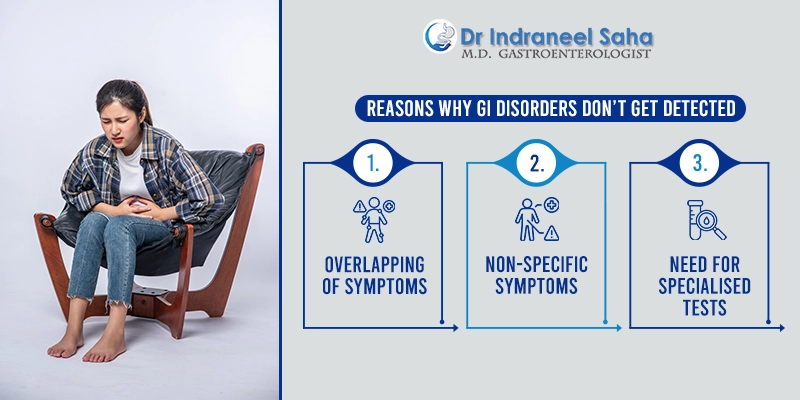
Reasons Why These Disorders Don’t Get Detected
According to Dr. Indraneel Saha, these uncommon disorders often remain unidentified due to the following reasons.
- Overlapping of symptoms with GI disorders like IBS, ulcers and gastritis.
- Non-specific symptoms such as bloating, nausea, loss of appetite and vomiting.
- Need for specialised tests.
Conclusion
Not all abdominal pain originates in the digestive system. If you are someone who is suffering from unusual GI symptoms that are persistent, seek expert care from an abdominal pain specialist for timely treatment.