- 18th Mar, 2026
- Jaundice Doctor
Signs That Your Jaundice Treatment Is Working
You have started treatment for jaundice and are wondering if the yellow discolouration in your skin and eyes is fading. Whether it is caused by liver disorder, bile duct blockage, genetic conditions or underlying medical conditions, jaundice is alarming and needs immediate diagnosis by a jaundice treatment doctor like Dr. Indraneel Saha.
But once the treatment begins, one common question that most patients have is, “How do I know that the treatment is working?”
In this blog, we will list some of the signs that you must look for indicating that the treatment is on the right track so that you can progress confidently.
Is Your Jaundice Getting Better? Here Is What You Need To Know
Recovering from jaundice takes time, but certain signs indicate that the treatment is working. Let’s take a closer look at the signs that show that the condition is improving.
Yellow discolouration begins to fade.
The most obvious sign that the treatment is working is a reduction in the yellow tint of the skin and whites of the eyes. As the bilirubin levels go down, patients start noticing the colour of their eyes and skin returning to normal. The change might happen slowly over time, and your doctor will compare the before and after photos to check progress.
Normalised bilirubin levels in blood tests
While visible changes are helpful, blood tests showing a steady decline in the bilirubin are a strong indicator of an effective treatment. Your healthcare provider will recommend tests such as total bilirubin, conjugated bilirubin and liver enzymes (ALT, AST, ALP). A decline shows that the liver is processing and excreting bilirubin as it is required to be.
Improved energy levels
Fatigue is a very common symptom with liver-related jaundice. When the liver is not functioning properly, toxins accumulate, leading to weakness and low stamina. If you have the increased ability to perform daily activities or feel less tired. Energy restoration is gradual but noticeable.
Urine colour returns to normal
Dark urine is another major symptom of jaundice. Patients with the disorder often report tea-coloured urine due to excessive production of bilirubin. However, when treatment begins to work, urine colour gradually returns to pale yellow, and the strong odour also reduces. This change usually occurs as the liver function improves.
Appetite becomes normal
Loss of appetite, nausea, vomiting and constant discomfort always accompany jaundice. As treatment begins to address the underlying cause of jaundice, whether it’s infection, inflammation, or bile duct obstruction, one of the early positive signs is the gradual return of normal hunger cues. You will also notice increased tolerance to food and reduced feeling of heaviness after meals.
Reduction in itching
According to the opinion of a jaundice treatment doctor, itching can be one of the most uncomfortable symptoms, especially in cases involving bile duct obstruction or liver disease. This happens when bile salts accumulate under the skin. As treatment progresses, patients are likely to get relief from persistent itching and dependence on anti-itch medicines.
Abdominal pain decreases
In case your jaundice is caused by conditions like hepatitis, gallstones, or bile duct blockage, it is normal to experience abdominal pain, particularly in the upper right side. Treatment success often brings reduced abdominal discomfort and less bloating. If the swelling in the abdomen is still present, your doctor will monitor it closely for improvement.
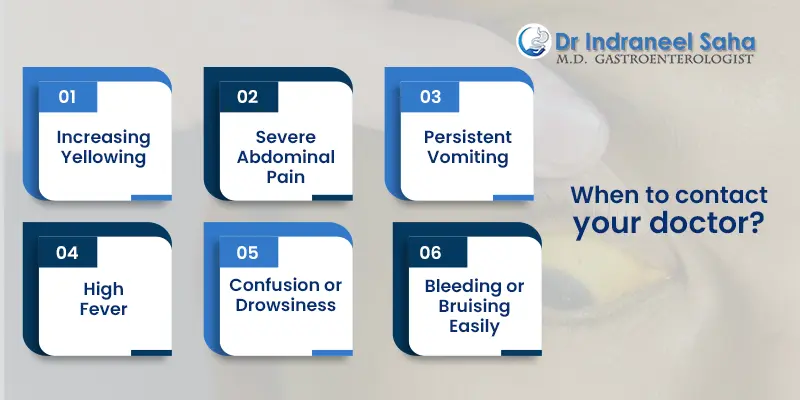
When to Contact Your Doctor?
Seek immediate medical attention from a jaundice treatment doctor if you experience the following.
- Increasing yellowing
- Severe abdominal pain
- Persistent vomiting
- High fever
- Confusion or drowsiness
- Bleeding or bruising easily
Conclusion
Jaundice is reversible with the right treatment and care. Make sure to book an appointment with a doctor who will adjust the treatment plan according to your progress for a safe return to normal health.